
Guides
Longer reads for when a chart is not enough: why a rule exists, how to apply it in your own kitchen and what the sources behind it say. Each guide cites the USDA, FDA, CDC or university extension pages it is built from.
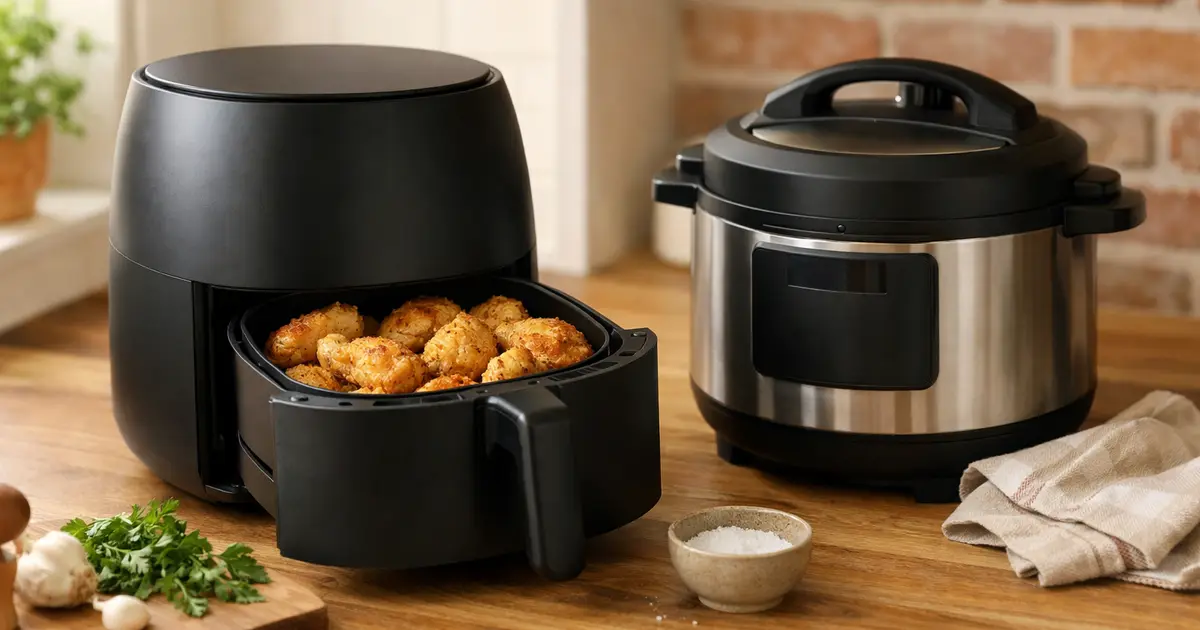 Air fryer and multi-cooker food safetyCook frozen, breaded and raw foods safely in an air fryer or multi-cooker: crowding, package directions, thermometer checks and what to do if food is underdone.
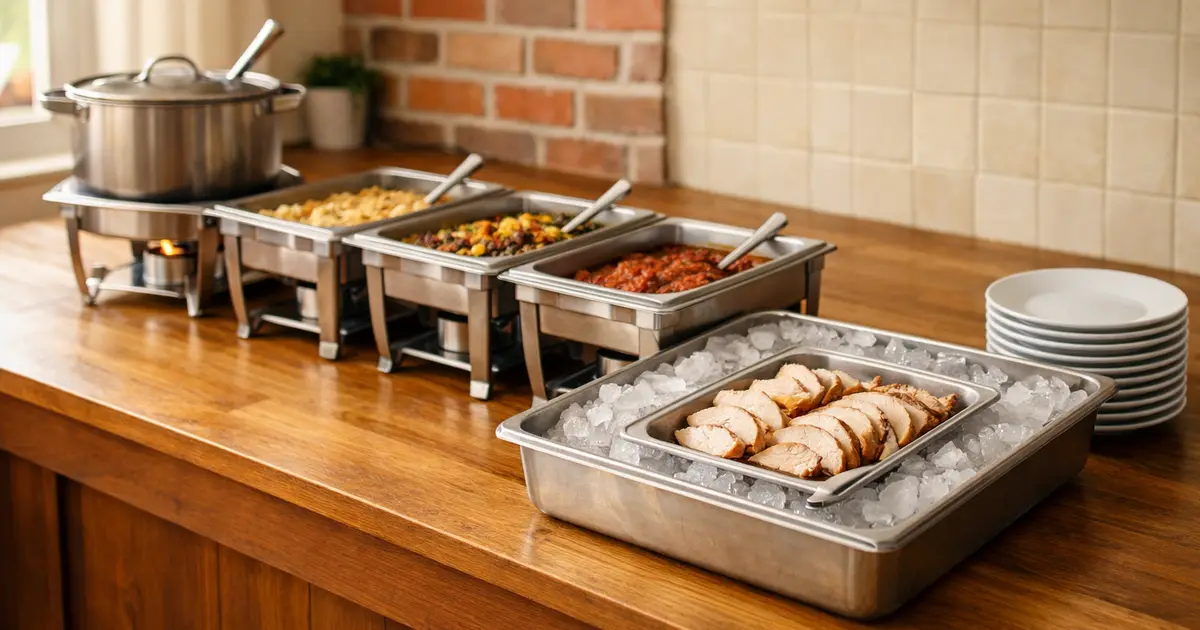 Cooking for a crowd: food safety for potlucks, parties and volunteer mealsHow to plan, cook ahead, cool, carry, serve and store food for a large group, based on USDA guidance for volunteers and community meals.
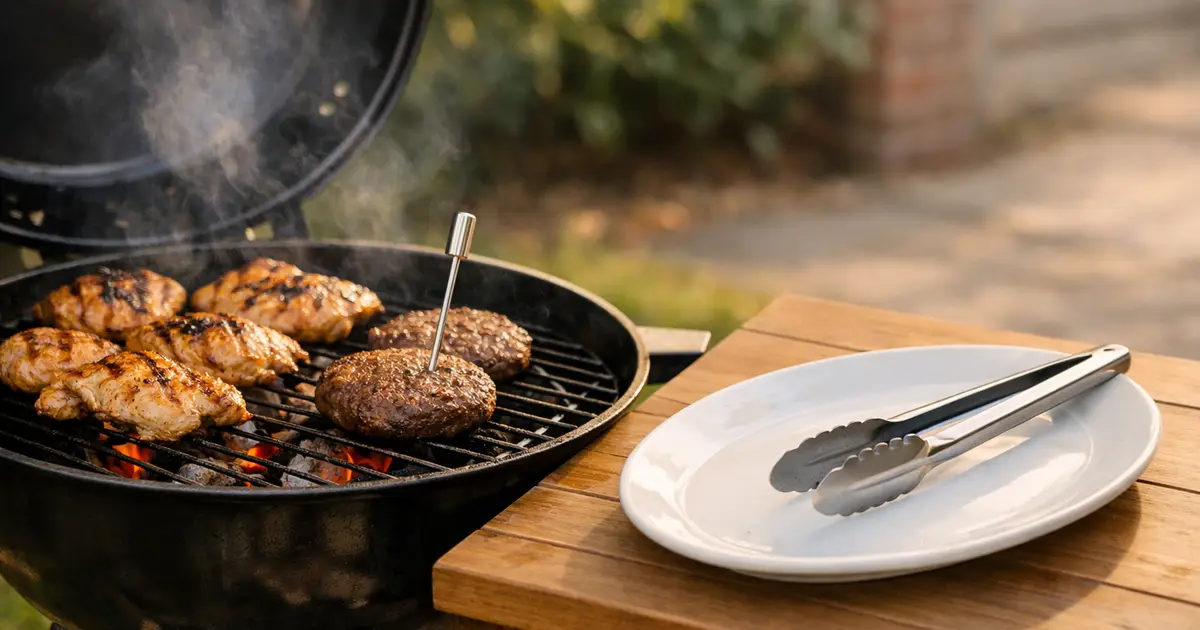 Grilling food safety: from the store to the plateA practical walk through safe grilling, from keeping meat cold on the way home to using a thermometer at the grill, holding cooked food and handling leftovers.
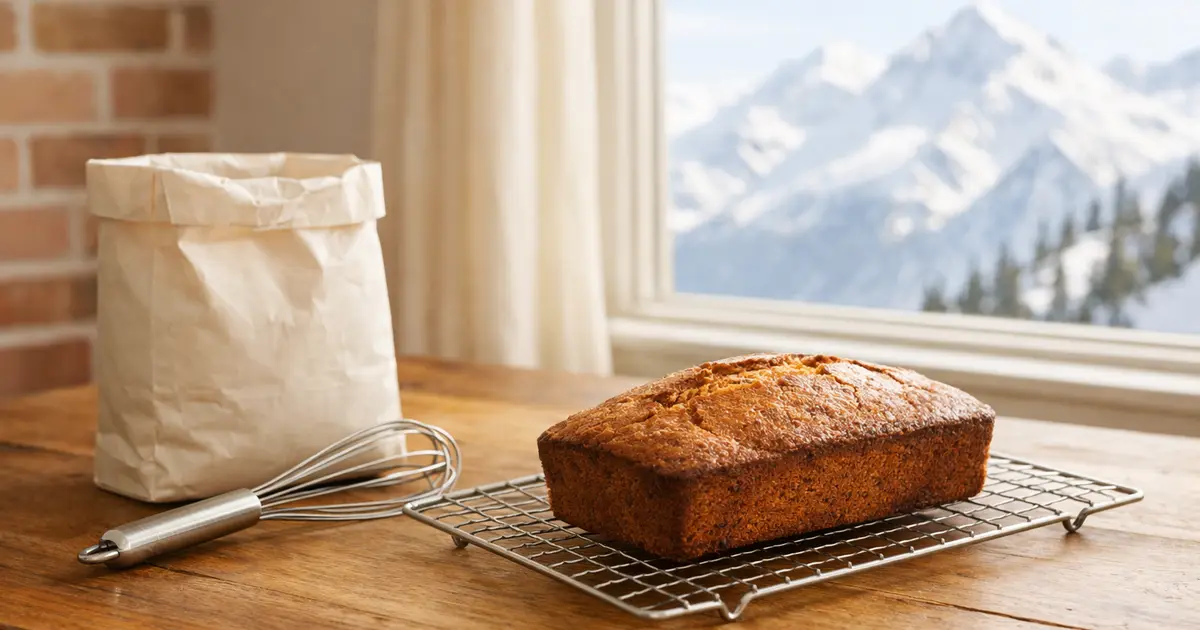 High altitude cooking and bakingWhy water boils cooler at elevation, how stovetop and slow cooker times change, and what extension sources say to adjust when a cake or cookie goes wrong.
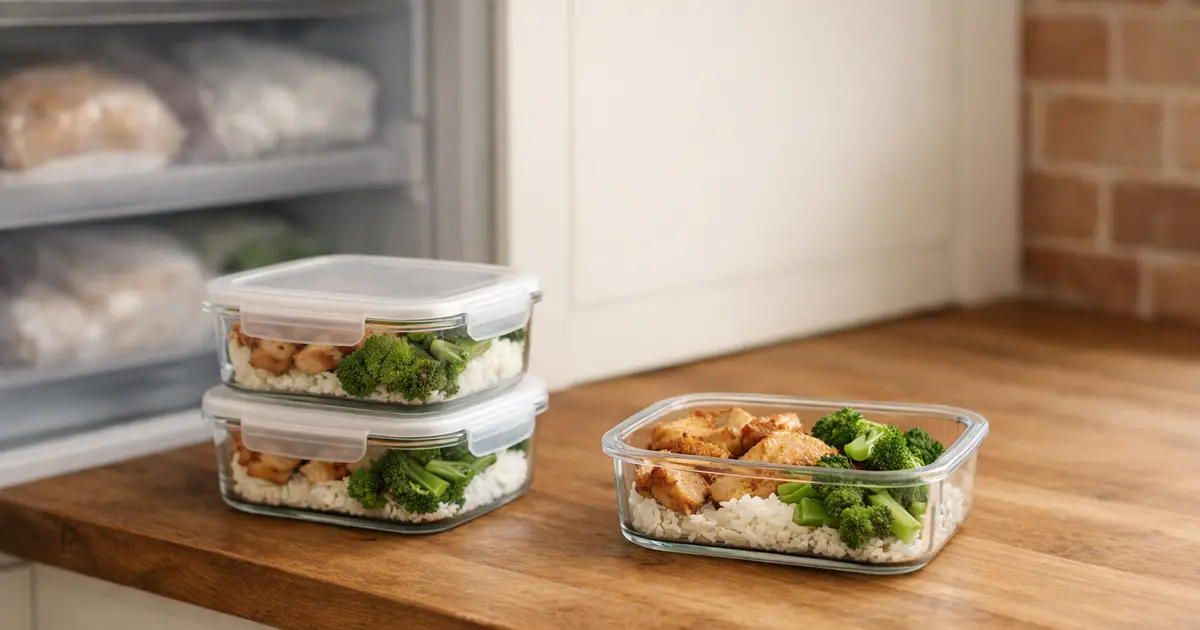 How long does meal prep last? A food-safe plan for the weekHow long prepped meals keep in the fridge, which to freeze, how to cool and pack big batches, and how to reheat, from USDA leftovers guidance.
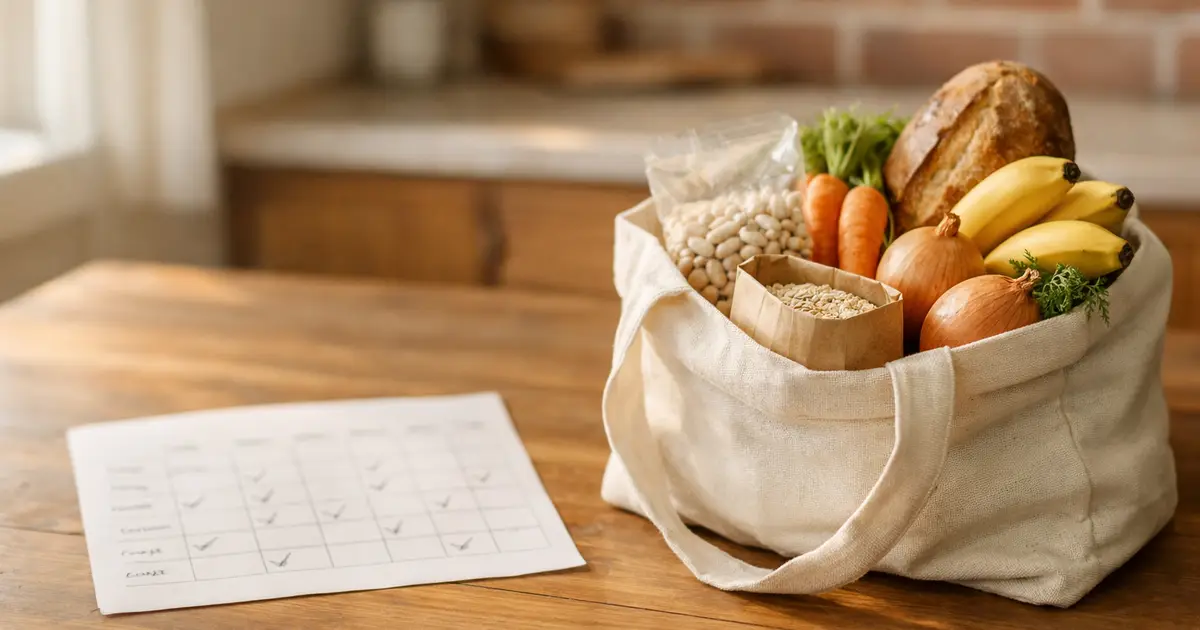 How to build a cheap, healthy meal plan with the USDA food plansSet a realistic grocery budget from USDA's Thrifty, Low-Cost, Moderate-Cost and Liberal food plans, then plan, shop and store food so less is wasted.
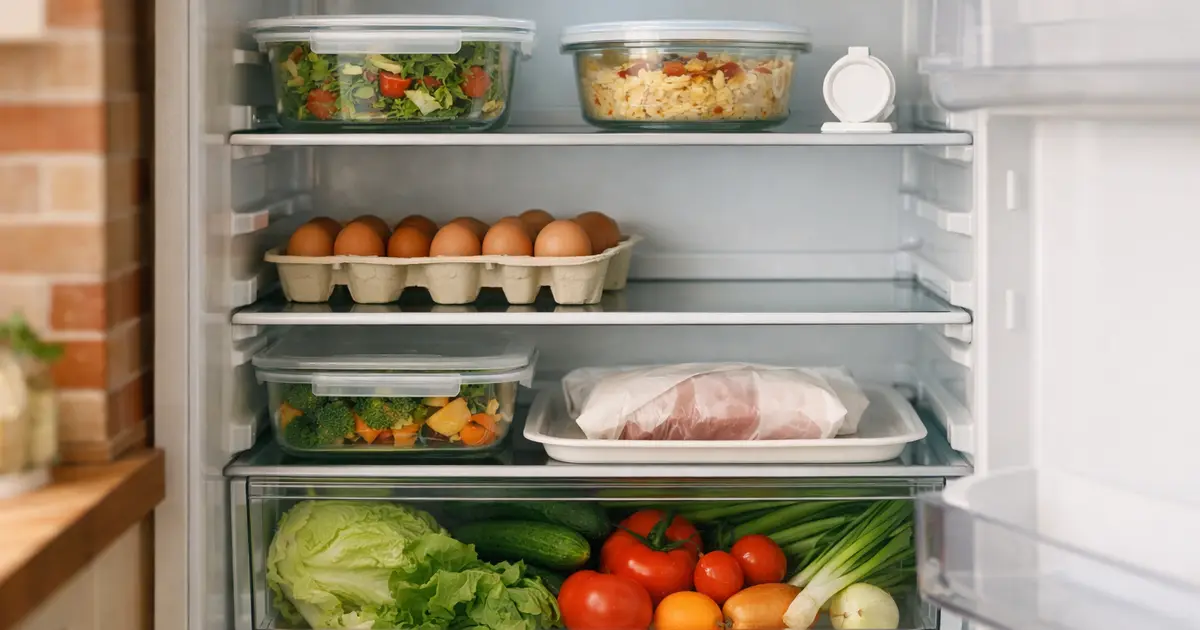 How to organize your refrigerator for food safetyWhere to set the temperature, why a thermometer matters, where raw meat belongs, what to keep out of the door, and how to cool hot food quickly.
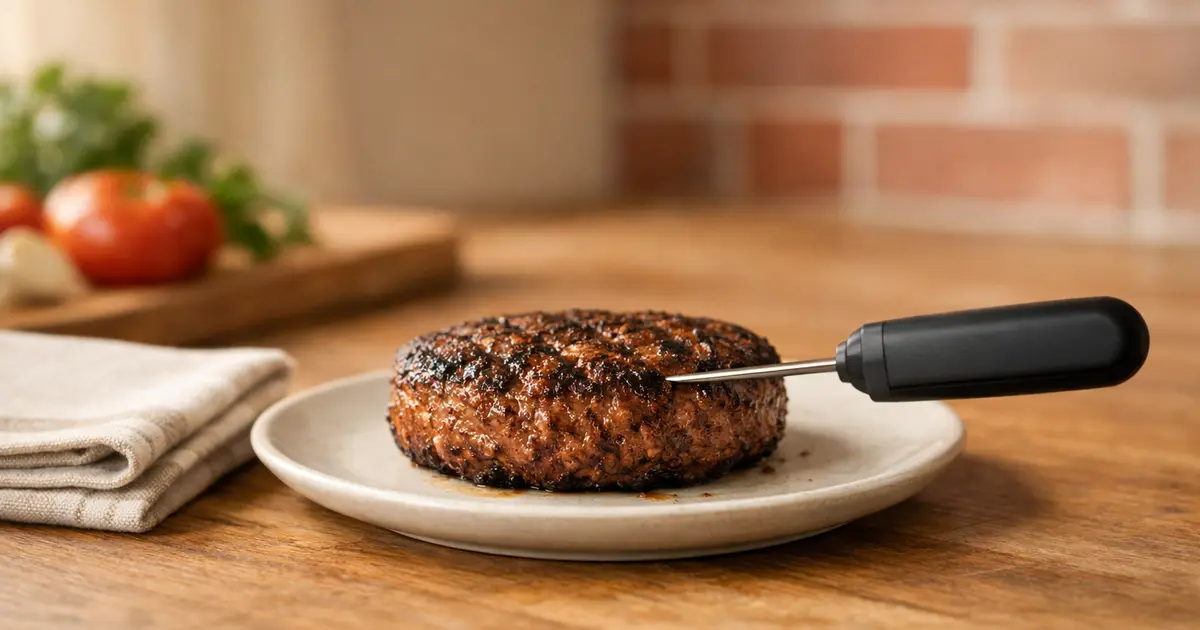 How to use a food thermometerWhere the probe goes in roasts, burgers, birds and casseroles, which type to buy, how to test its accuracy, and why color cannot show a dish is safe.
 Meal planning for a couple: budget, portions and leftoversSet a grocery budget for a couple from USDA's food plans, shop without waste, and cook once to eat twice, with USDA limits for leftovers and freezing.
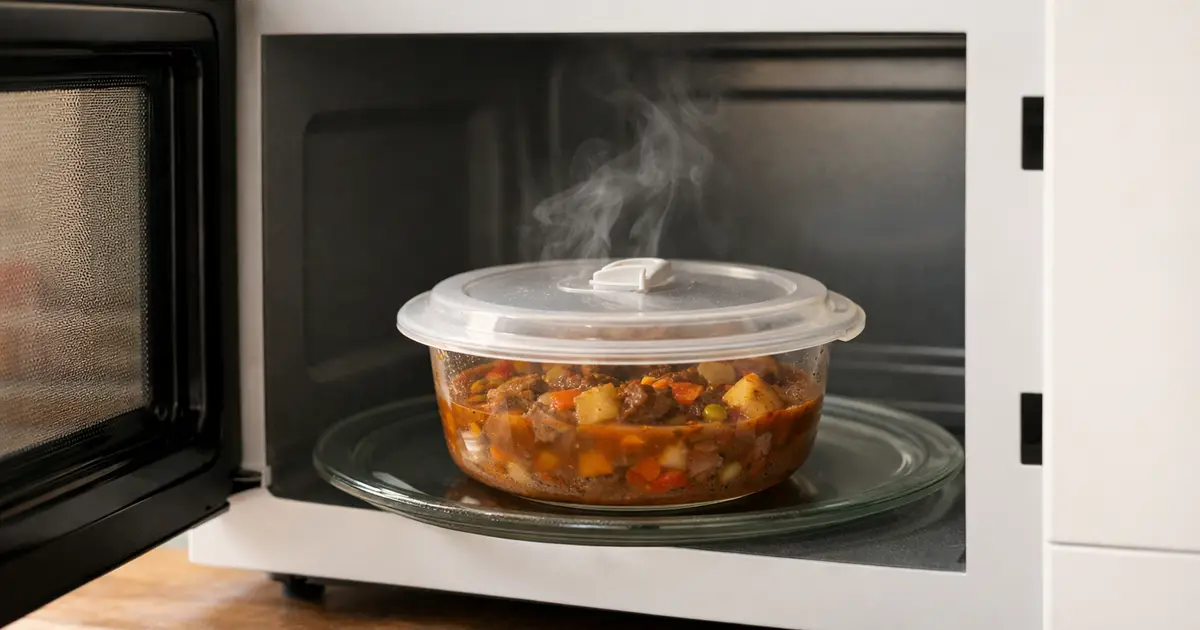 Microwave cooking safetyWhy microwaves heat unevenly, and how stirring, covering, standing time, the right containers and a thermometer make microwaved meat, eggs and leftovers safe.
 Pantry storage guide: keeping shelf-stable food safeWhat makes food shelf stable, how long canned goods keep, which dented or bulging cans to toss, and how to handle dry goods and opened cans.
 Safety and quality are different labelsHow to tell a food safety limit from a quality date, and how each storage row on this site is labeled so you know which to respect.
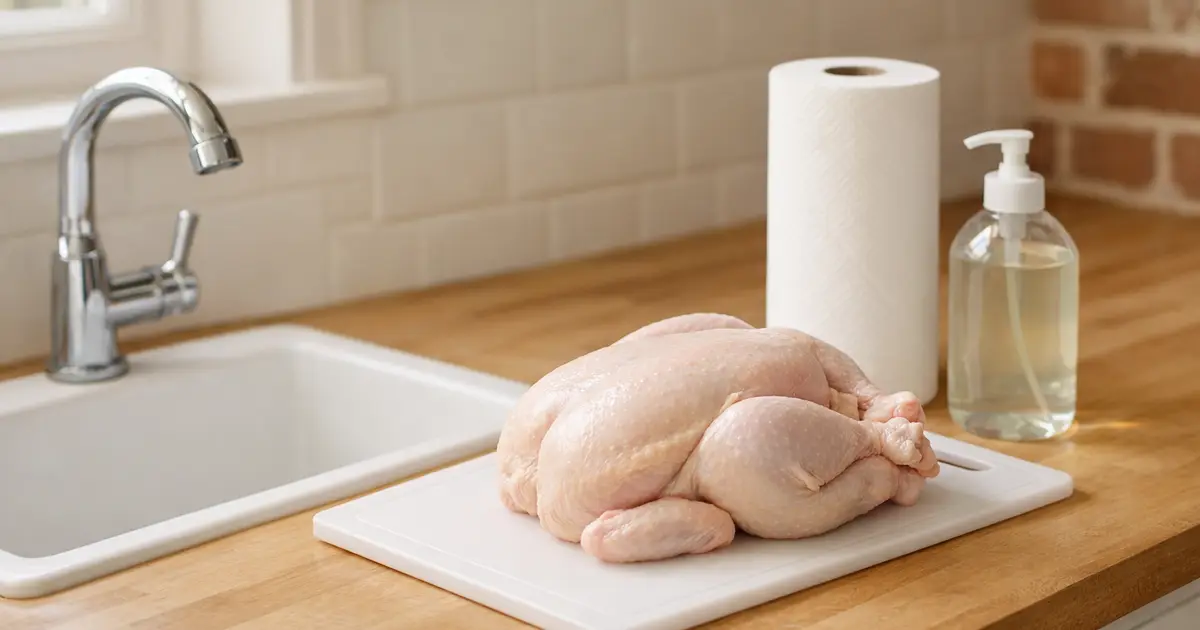 Should you wash raw chicken?Why the USDA advises against rinsing raw meat and poultry, what to do with eggs and produce, and how to keep raw juices from spreading around your kitchen.
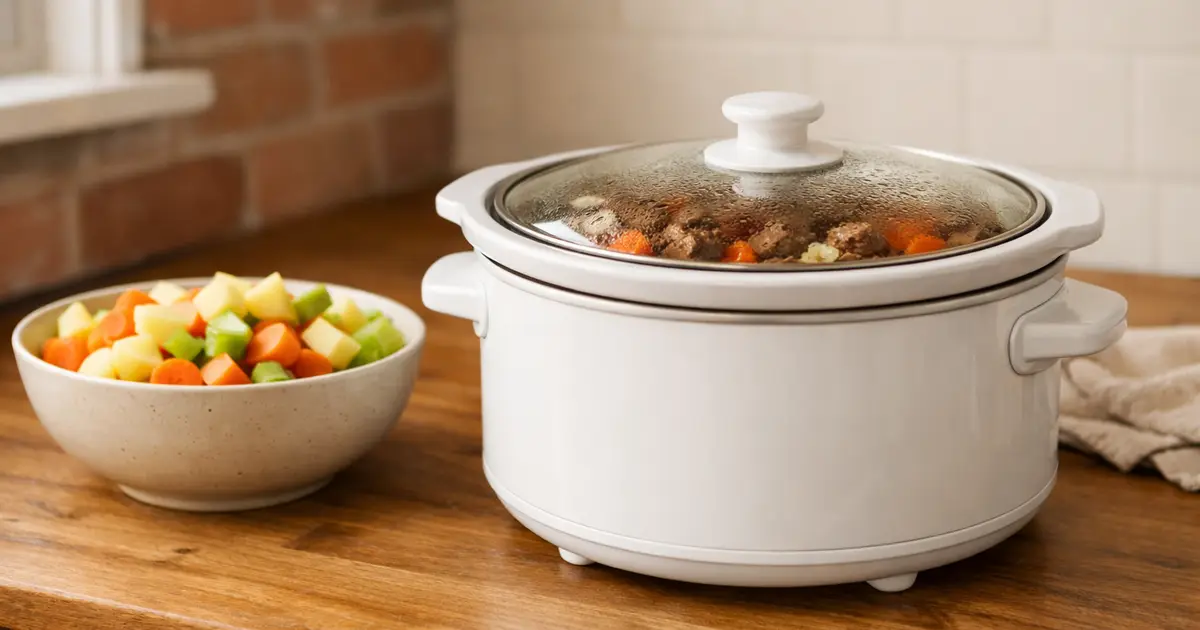 Slow cooker food safetyHow to use a slow cooker safely: thaw first, choose a sensible fill level and setting, handle a power cut mid-cook, and store and reheat what is left.
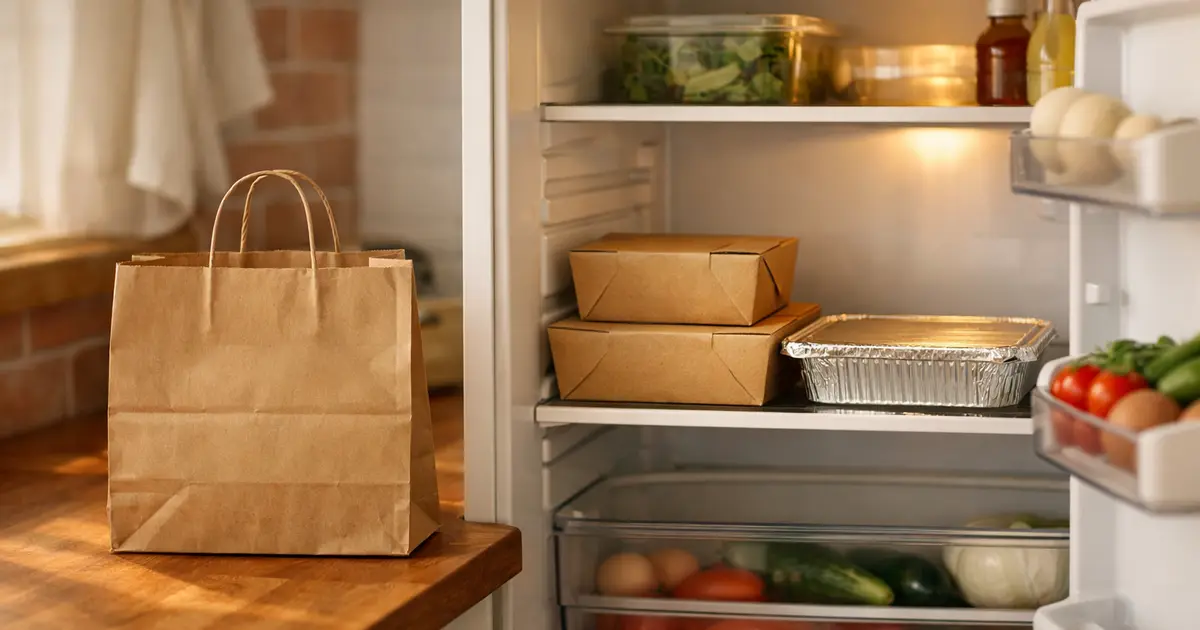 Take-out and delivery food safetyHow long take-out and delivered food can wait, how to hold it hot or cold, how to cool and reheat what is left, and how long leftovers keep.
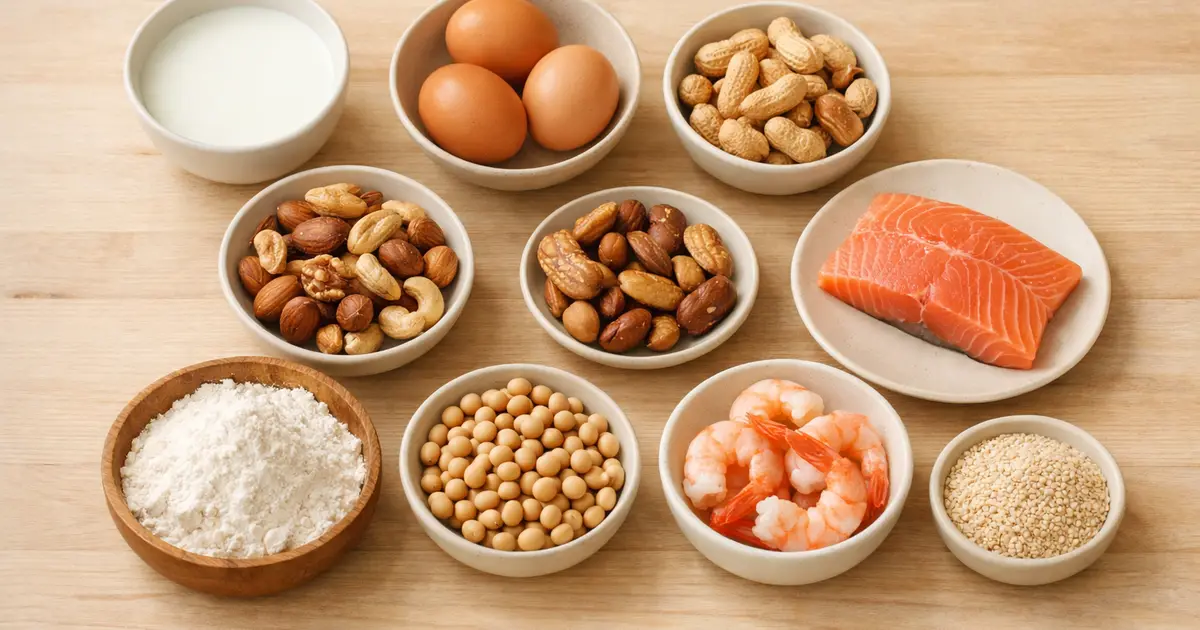 The major food allergens, explainedWhich foods U.S. law names as major allergens, how packaged-food labels must declare them, what cross-contact is, and what the agencies say to do in a reaction.
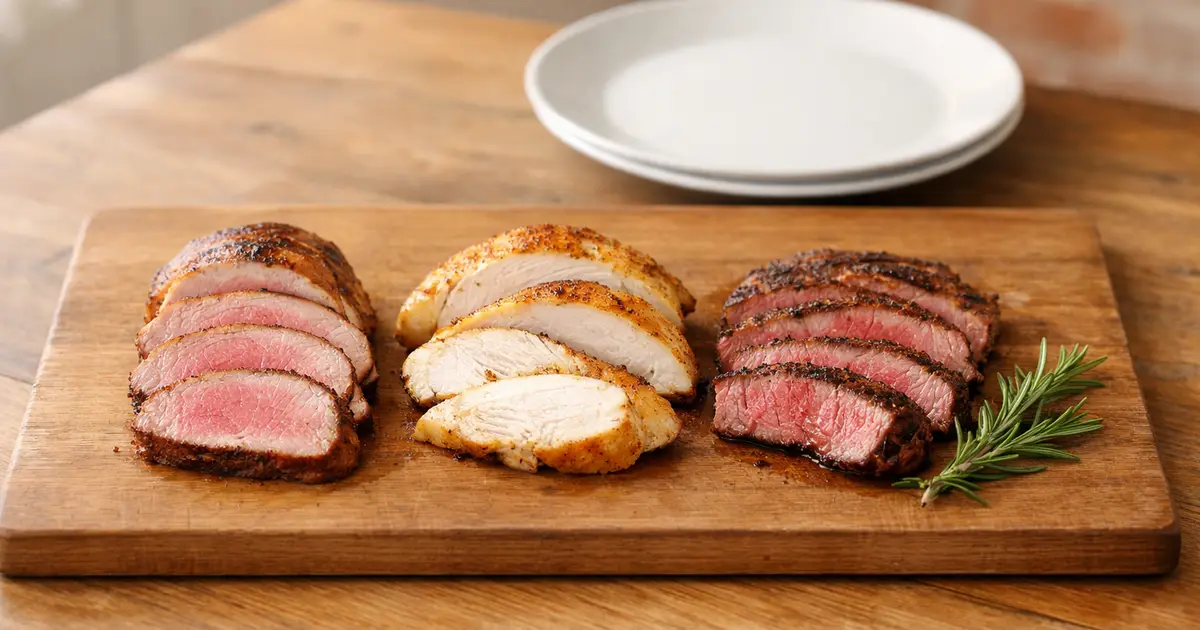 Why meat and poultry change color, and when it mattersHow myoglobin colors beef, pork, chicken and turkey in the package, the freezer and the pan, and which color changes are harmless or warnings.